
FirstLook Team
· 5 min read
In this guide we’ll go over some of the most important steps to building a loyal game community before your game launches!
A lot of studios start thinking about the community leading up to launch. By then, it’s too late. The studios that go into release with momentum start building their playerbase and community long before they release their first trailer, often before the game even has a name. They treat the community as demand insurance, and not a ‘nice to have’.
This guide is meant for first-time and small studios. It covers going from zero to a launch-ready community using one channel, real playtests, and a clear conversion path to one of the strongest signals that matters on launch day: Steam wishlists.
Why you start before the game is done#
Marketing budgets dry up. Algorithms change. Trailers get buried. The one thing you actually own is a list of players who care, and you only build that by showing up early.
Starting pre-launch gives you three things you can’t buy:
- Demand you can prove. A real community is the most credible signal you have when talking to publishers, platforms, or investors.
- Feedback before it’s expensive to act on. Players will tell you what works and what doesn’t work with your game while you can still adjust and make changes without scrapping or re-doing weeks, months, or even years of work.
- A floor under your launch. A few thousand engaged players means your first week isn’t relying on the algorithm gods, in fact, an audience that shows up on day one could help turn the algorithms in your favor!
The studios on FirstLook that ship strongest, including Dead as Disco developer Brain Jar Games, Cloudheim developer Noodle Cat Games and KRAFTON, all built community well before launch day. They didn’t wait to have a polished build before talking to players. They invited players into the build.
Pick one platform and go deep: Discord first#
The instinct is to be everywhere. Twitter/X, TikTok, Instagram, YouTube, Reddit, Discord. You’ll burn out in a month and have nothing to show for it.
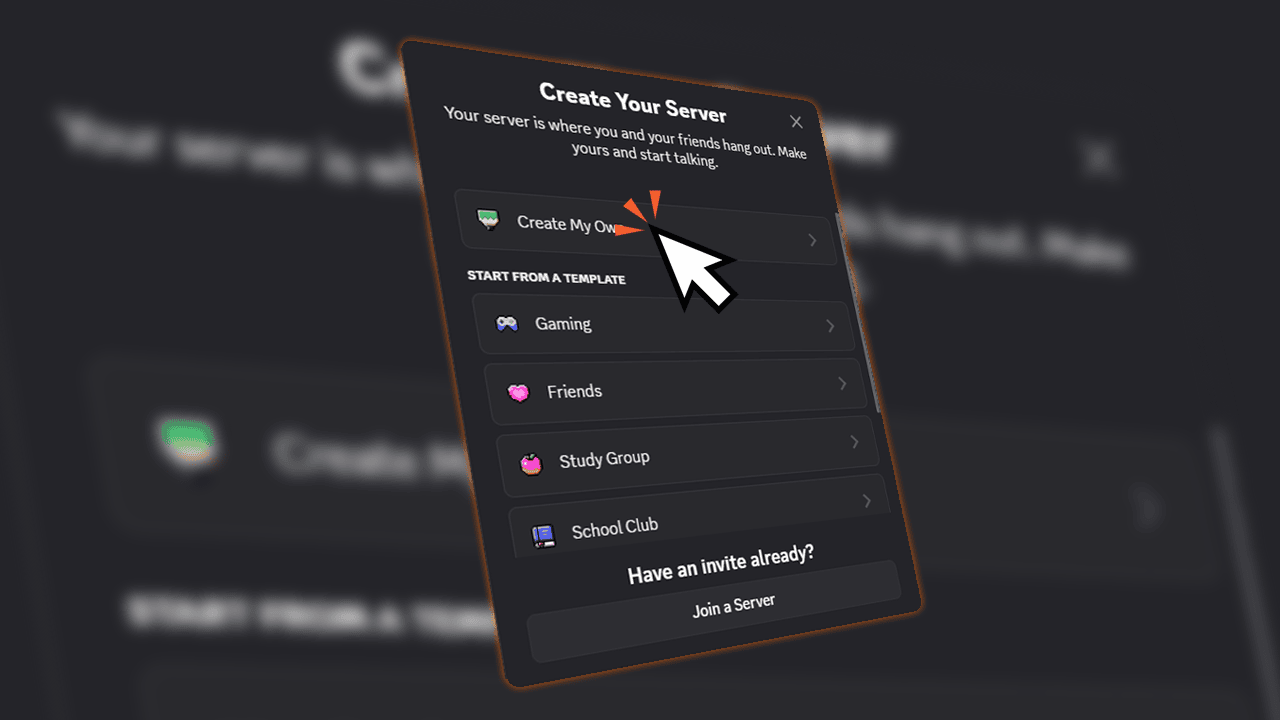
Pick one primary platform. For pre-launch indie communities, that’s Discord. Here’s why:
- It’s persistent. Conversations don’t vanish after 24 hours like they do on socials.
- Players come to you. Once someone joins, you can reach them again without paying for distribution.
- It scales with you. A 50-person Discord runs the same way as a 50,000-person Discord, with the same tools.
Set up Discord first. Get it right. Use socials as feeders that push people into Discord, not as standalone communities. Treat anything outside Discord as a top-of-funnel channel, not a place to build deep relationships.
Give people a reason to show up before launch#
A Discord with no game and no content is just a chat room with your logo on it. People will join, see nothing, and leave.
What works:
- Behind-the-scenes. Devlogs, screenshots of unfinished work, the bug that broke everything last week. Show the process, not just the polish.
- Direct dev presence. When the founder or lead designer is in the channel answering questions, the community feels different. It feels real.
- Player input that actually matters. Polls on character names, weapon balance, art style choices. People stay when they feel ownership, build your game together with your community!
- A reason to come back. Weekly dev update at the same time every week. Treat it like a TV show: predictable, repeatable, anticipated. We dug into this in more depth in our guide to community events that boost game engagement.
The bar isn’t “interesting to the entire gaming world.” The bar is “interesting to the people who already want this game.”
Playtest, Playtest and Playtest some more.#
Of every tactic in this guide, playtests do the most work for the least amount of effort.
A playtest turns a passive Discord follower into an invested player. They’ve spent two hours inside your game, formed opinions, written feedback, and told a friend. They’re no longer audiences. They’re cast.
Run small, frequent playtests rather than waiting for one big public test. Use them to:
- Validate core loops before you spend more on production.
- Surface bugs and balance issues you can’t catch internally.
- Generate content like screenshots, clips, and reviews that you can repost.
- Identify your superfans. The 5% who keep showing up to every test are the people who’ll launch your game with you.
FirstLook is built for this. Studios on the platform run playtests through Discord with key distribution, qualified player pools, and feedback collection all in one place. If you want the operational side handled, that’s the fastest way. If you’re earlier in the journey, our guide on how to find more playtesters walks through where qualified players actually come from.
Turn community energy into Steam wishlists#
Engagement is nice. Wishlists are the metric. They’re what Steam uses to surface your game in front of new players, and they’re the single best leading indicator of launch sales (all players that wishlist your game will receive an email about the game releasing from Steam, after all).
Every piece of community activity should have a path back to “wishlist the game on Steam.” Concretely:
- Discord welcome flow: the first message a new member sees should include the Steam link.
- Playtest signups: make wishlisting a soft requirement, or at least a clear ask, on the signup form.
- Dev update posts: every post ends with the wishlist link.
- Social cross-posts: every social post should include a call to action (when appropriate).
Track which channel is driving the most wishlists. Double down on what’s working. Drop what isn’t. You’ll have a clear picture within a month of what actually converts, and from there it’s just doing more of that. If attribution feels like the missing piece, our player CRM guide for game studios breaks down how studios unify player data into one place.
You don’t need a launched game to start. You need a Discord, a reason for people to show up, and a clear path from joining your community to wishlisting your game. Build that loop, run it for six months, and you’ll ship into a launch window where you actually have an audience waiting for you.
FirstLook is the player relationship platform that handles the operational side of all of this: Discord, playtests, wishlists, and the data on what’s working. If you want a faster way to run this playbook, that’s what we built it for.